Work coordination platform
Designed for the automotive industry
As a leader in innovation, you understand the importance of staying ahead of the curve in the fast-moving automotive 4.0 world. KanBo provides you with the tools to do just that by facilitating smart factory operations, streamlining project management, fostering collaboration and solving complex problems.
Transforming the Dynamics of Project Management: A Guide for Software Development Managers
As large enterprises continue to expand and take on more complex projects, the need for effective work coordination becomes increasingly essential. KanBo has stepped up to meet this demand with their innovative work coordination platform. Designed to cater to the needs of large businesses, KanBo brings together all teams, departments, and external stakeholders in a collaborative environment.
One of the key features of KanBo is its on-premises and cloud installations, which provide businesses with the flexibility to choose the installation method that suits their needs best. The platform’s customizable licenses also cater to various levels of user access, ensuring that businesses can tailor the platform to meet their unique requirements.
KanBo offers a multitude of benefits to large enterprises. Its smart factory operations streamline project management, fostering smooth collaboration between teams. The platform’s ability to solve complex problems enables businesses to address challenging issues quickly and effectively. With support in cost and revenue planning, acquisition of projects, and project execution, KanBo provides a comprehensive solution to all your project management needs.
Another highlight of KanBo is its ability to foster a culture of collaboration. The platform facilitates internal communication, allowing teams to share their progress, align objectives, and manage expectations effectively. Its quality management system ensures that all projects adhere to the highest standards, with the implementation of quality gates, processes and feedback running throughout the system.
Lastly, KanBo recognizes that people are the driving force behind the success of any enterprise. The platform is designed to manage teams effectively, monitor performance, and provide a platform to develop and improve their skills. Its agile mindset promotes end-to-end feature teams, resulting in a culture of continuous improvement and growth.
In summary, KanBo is a work coordination platform designed for large enterprises, catering to the needs of businesses through its customizable installations and licenses. Its smart factory operations, collaboration tools, and quality management system provide businesses with a comprehensive solution for their project management needs. The platform’s focus on people management ensures a culture of continuous improvement and growth, resulting in a more productive and efficient team. If you’re in the automotive industry and looking to take your business to the next level, give KanBo a try.
One Week of Life Manager, Software Development in Automotive Industry with KanBo
Monday:
Start the day by checking notifications and following up on any new emails that arrived overnight. Use KanBo’s Kanban view to visualize the progress of software development tasks and their corresponding statuses. Assign tasks to team members, add deadlines, and create new cards as needed. Attend a morning meeting with the team to discuss any blockers, progress updates, and the tasks for the day.
Tuesday:
Use KanBo’s activity stream to stay updated on all project-related activities. Check for any new messages, comments, or @mentions from team members. Check the calendar view for any upcoming deadlines, meetings, or appointments. Assign new tasks and cards to team members based on their skills and availability. Review project progress and look for opportunities to streamline workflows and improve processes.
Wednesday:
Attend a mid-week review meeting with the team to review progress, discuss any issues, and brainstorm solutions. Use KanBo’s table view to assess project milestones, timelines, and budgets. Assign tasks to team members and check on the status of ongoing tasks that are near completion. Ensure that progress is within the established timelines and budget parameters.
Thursday:
Use KanBo’s mind map view to brainstorm new ideas and solutions to problems. Assign tasks to team members based on their skill sets and specialty areas. Collaborate with team members on new ideas and approach to challenges. Attend a progress update meeting with the team and stakeholders to review project progress and identify any areas that need improvement.
Friday:
Use KanBo’s Gantt Chart view to plan for upcoming projects, assign tasks, and monitor progress against established timelines. Use the activity stream to stay updated on project activities and check for any new comments, changes, or @mentions. Review project status and budgets to ensure that everything is on track. Check-in with team members and provide feedback on their progress. Wrap-up the week by creating a task list for the next week and preparing for a follow-up meeting with stakeholders.
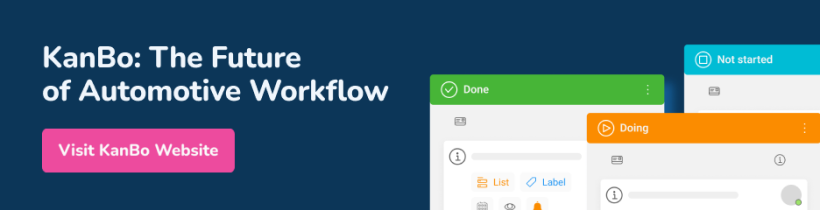
KanBo is not just a tool for communication; it is a comprehensive work coordination platform that combines communication, collaboration, and task management to help large enterprises work better together. The platform’s rich feature set allows companies to manage work in a centralized way, ensuring clarity and transparency throughout their organization.
With KanBo, you can create workspaces, spaces, and cards to organize your work and manage tasks. Cards in KanBo can be assigned to team members, scheduled, track progress and have customizable elements like checklists, document attachments, card statuses, and card blockers. With all this information in one place, everyone can see what they need to do and who is accountable for what.
Additionally, KanBo offers a wide range of views to help users visualize their work, including Kanban, List, Table (Spreadsheet), Calendar, Gantt Chart, Timeline, Activity, Document, and Mind Map views. This allows for a flexible work management style that adapts to the needs of different teams.
Another key feature of KanBo is its resource management functionality, which helps teams manage their workload more efficiently and effectively. With KanBo, you can view team members’ availability, assign tasks based on their workload, and optimize resource allocation to ensure that the right people are working on the right tasks at the right time.
In summary, KanBo is much more than just a tool for communication. It is a powerful, all-in-one work coordination platform that helps large enterprises manage their work more effectively and efficiently. With KanBo, companies can streamline their workflow, improve team collaboration, and optimize resource allocation to drive better results.
Q&A
1. Q: What are some of the benefits that KanBo offers to large enterprises?
A: KanBo offers several benefits to large enterprises, such as smart factory operations that streamline project management, a platform to foster a culture of collaboration, a quality management system, and people management to ensure a culture of continuous improvement and growth.
2. Q: What types of views does KanBo offer to its users?
A: KanBo offers several views to its users, including Kanban, activity stream, calendar, table, mind map, and Gantt chart view. These views can help users to stay organized and visualize their tasks in different ways.
3. Q: How does KanBo help large enterprises manage their teams more effectively?
A: KanBo helps large enterprises manage their teams more effectively through its agile mindset that promotes end-to-end feature teams. It also has a platform to monitor performance, provide feedback and skills development opportunities, which fosters a culture of continuous improvement and growth.
Use Case: Improving Customer Relationship Management with KanBo
Large enterprises often have a wide range of customers with varying needs and demands. Keeping track of customer information, interactions, and feedback can be a daunting task, especially when dealing with a high volume of customers. Fortunately, KanBo offers a wide range of features that can help businesses improve their customer relationship management (CRM) and deliver better customer experiences.
With KanBo’s support in cost and revenue planning, businesses can make informed decisions about their CRM strategy and allocate resources accordingly. KanBo’s acquisition of projects and project execution features also enable businesses to take on customer projects more efficiently and effectively.
To further support CRM, KanBo offers monitoring projects development and reporting, which allows businesses to track customer projects’ progress and report on their performance. Staffing projects and resource management features also help businesses optimize their resource allocation for customer projects, ensuring that they have the right people working on the right tasks.
KanBo’s quality management system, using and applying MBTI processes and quality gates, helps businesses ensure that their customer projects meet and exceed expectations. The platform’s implementation of strategic goals of the department and MBTI also helps businesses align their CRM strategy with their overall business objectives.
People management features in KanBo can help businesses develop and improve processes and implement career paths for team members. The platform’s performance management process, according to MBM standards and timelines and salary & remunerations review, can help businesses ensure that their team members are motivated and incentivized to deliver great customer experiences.
To further leverage cross-functions and make proposals for improvement, KanBo encourages collaboration between different departments within a business. The platform’s simple user-interface makes it easy for users to collaborate and share information across teams. Moreover, KanBo supports communication and networks with other departments, allowing businesses to work together to improve their CRM processes continually.
One notable feature of KanBo that can improve CRM is the platform’s incoming email functionality. This feature allows users to send emails to a KanBo Board or directly to a KanBo Card, making it easy to add customer information and feedback to the platform. This functionality also enables businesses to integrate their Microsoft Office skills with KanBo, making it a seamless experience for users.
In conclusion, KanBo’s work coordination platform offers a range of features that can help large enterprises improve their CRM and deliver better customer experiences. From support for cost and revenue planning to implementation of strategic goals, KanBo provides businesses with the tools they need to manage their customer projects effectively and efficiently. With its people management features, KanBo also helps businesses develop and improve processes and implement career paths for team members, resulting in a more motivated and skilled workforce. The platform’s incoming email functionality also makes it easy to add customer information and feedback to the platform, seamlessly integrating it with Microsoft Office skills.