Work coordination platform
Designed for the automotive industry
As a leader in innovation, you understand the importance of staying ahead of the curve in the fast-moving automotive 4.0 world. KanBo provides you with the tools to do just that by facilitating smart factory operations, streamlining project management, fostering collaboration and solving complex problems.

Streamlining Collaborative Project Management for Electrical Chassis Control System Integration Engineer – Steering and Suspension I with KanBo
KanBo: The Work Coordination Platform Designed for Large Enterprises
Large enterprises face unique challenges when it comes to collaboration and project management. With multiple departments, teams, and external stakeholders involved, it can be difficult to keep everyone on the same page. That’s where KanBo comes in, a work coordination platform that is tailored to meet the needs of large enterprises.
One of the strengths of KanBo is its ability to be installed on-premises or in the cloud, ensuring that every organization can choose the deployment option that best suits their needs. This flexibility ensures that KanBo can scale to meet the requirements of both small and large enterprises, enabling them to manage even the most complex projects with ease.
For Electrical Chassis Control System Integration Engineer – Steering and Suspension I, KanBo provides a feature-rich environment that enables seamless communication and coordination between all teams involved in the development of Electronic Power Steering (EPS) and Active Suspension systems software integration.
With KanBo, organizations can manage multiple vehicle development projects with ease and maintain active schedules and task lists that reflect the requirements of internal teams and external suppliers. The ability to coordinate all documentation related to development deliverables is also a critical feature provided by KanBo, ensuring that all necessary information is available to the teams working on the project.
Furthermore, KanBo provides an environment for reviewing current electronic control system specifications and defining the functional requirements necessary for the integration of controller area network interfaces, self-diagnostic, and failsafe detection capabilities for each vehicle development.
KanBo also provides a platform for validating electronic power steering and active suspension systems control software functionality by conducting standard requirement testing on benches and in vehicles on proving grounds. The ability to validate electrical hardware by using electromagnetic compatibility (EMC) and ultrasonic testing, while working with suppliers to address any issues found, ensures that vehicles are safe and ready for the market.
Additionally, KanBo facilitates coordination with the global office and key deliverables for regional developments. This feature enables Electrical Chassis Control System Integration Engineer – Steering and Suspension I to keep track of global requirements while focusing on regional development needs.
Another key feature of KanBo is its support for ISO 26262 testing. KanBo enables managers to maintain deliverable schedules and ensures that requirements are achieved and approved by technical experts, reducing the risk of compliance issues.
KanBo also provides an environment for negotiating requirements across multiple functions, such as metering, advanced driver-assistance systems (ADAS), and architecture. And with the ability to coordinate with design functions to ensure the correct control specifications are applied to electronic brake and stability assist system drawings, Electrical Chassis Control System Integration Engineer – Steering and Suspension I can maintain high levels of accuracy and reduce the risk of errors.
Finally, KanBo enables Electrical Chassis Control System Integration Engineer – Steering and Suspension I to maintain close coordination with factory associates during the build phase and ensure that controls are achieving required specifications. KanBo’s platform makes it easy to coordinate across engineering, design, and manufacturing, streamlining processes and reducing the time required to bring a new product to market.
In conclusion, KanBo is a work coordination platform designed for large enterprises that need to manage complex collaborative projects. Its rich feature set, combined with flexibility in deployment options, makes it an ideal solution for the unique needs of Electrical Chassis Control System Integration Engineer – Steering and Suspension I.
Introduction:
KanBo is a highly intuitive and user-friendly work coordination platform designed to handle complex projects in the fast-paced automotive industry. In this how-to guide, we will go through a typical week of an Electrical Chassis Control System Integration Engineer – Steering and Suspension I in the automotive industry using KanBo.
Monday:
On Monday, the Electrical Chassis Control System Integration Engineer will start by logging into KanBo and checking their notifications for any updates or new tasks. They will then review their project board to prioritize their tasks for the day. This may include reviewing previous testing data, analyzing feedback and making necessary adjustments to the steering and suspension system.
Tuesday:
On Tuesday, the Engineer will use KanBo’s “Visualize Work” feature to generate a Gantt chart and timeline to ensure that all tasks are on track and completed within the specified timeline. These features allow them to schedule upcoming tasks effectively and update any milestones or deadlines that may have shifted.
Wednesday:
Wednesday would typically involve a team meeting where the Engineer would discuss the progress and status of the project with their colleagues. With KanBo, they can easily share their project board or specific tasks with their team members to ensure everyone is on the same page. They can also assign new tasks and update the status of existing tasks during the meeting for a more efficient workflow.
Thursday:
On Thursday, the Engineer can use the KanBo “Follows” feature to keep track of their team’s progress and be alerted to any new changes or updates. They will also continue to review the dashboard and reports to evaluate the overall performance of the project and identify which areas need improvement or intervention.
Friday:
On Friday, it’s time to wrap up the week and prepare for the next. With KanBo, the Engineer can attach and detach necessary documents to the relevant tasks or cards, ensuring that any vital information is recorded and easily accessible. They can also use “Comments” and “Activity Streams” to provide updates and share information with team members or external partners.
Conclusion:
By utilizing KanBo, the Electrical Chassis Control System Integration Engineer can streamline their workflow, boost productivity, and ensure that all tasks are completed accurately and within deadlines. KanBo enhances collaboration within the team, tracks progress, and provides an overview of the project’s overall status. The platform’s ease of use and extensive features make it an essential tool for a successful project management experience.
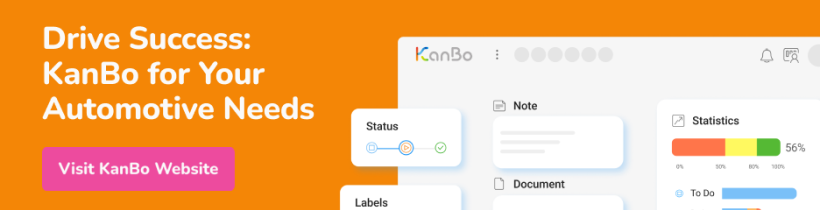
Yes, KanBo is much more than just a tool for communication. While it does facilitate easy communication and collaboration among team members, it offers a range of features that make it a complete work coordination platform.
One of the main benefits of using KanBo is that it helps teams to stay organized and focused on their goals. With KanBo, team members can create task boards, assign tasks to team members, and track progress in real time. This enables team leaders to monitor team productivity and ensure that everyone is on track.
Another feature of KanBo is that it supports different work methodologies and styles. Whether your team uses Agile, Scrum, Waterfall, or any other methodology, you can customize KanBo to fit your needs. KanBo offers a range of view options, including Kanban, list, table, and calendar views, so you can choose the option that best suits your team’s workflow.
In addition, KanBo offers advanced analytics and reporting features, which provide valuable insights into team performance and productivity. You can track key metrics such as task completion rate, time spent on tasks, and team workload, and use this data to make informed decisions and optimize your team’s workflow.
Overall, KanBo is much more than just a tool for communication. It is a complete work coordination platform that can help teams stay organized, focused, and productive. By leveraging the full range of features offered by KanBo, you can streamline your team’s workflow, maximize efficiency, and achieve better results.
Q&A
1. Q: What deployment options are available with KanBo?
A: KanBo can be deployed on-premises or in the cloud, providing flexibility for organizations to choose the deployment option that best suits their needs.
2. Q: What is one of the key features of KanBo that ensures compliance with ISO 26262 testing?
A: KanBo enables managers to maintain deliverable schedules and ensures that requirements are achieved and approved by technical experts, reducing the risk of compliance issues.
3. Q: How does KanBo facilitate collaboration between the engineering, design, and manufacturing departments?
A: KanBo’s platform enables users to coordinate across engineering, design, and manufacturing departments, streamlining processes and reducing the time required to bring a new product to market.
Use Case: Managing Vehicle Development Projects with KanBo
Imagine you’re an Electrical Chassis Control System Integration Engineer, responsible for managing multiple vehicle development projects related to electronic braking and vehicle stability assist systems control specifications. You need to actively maintain schedules and task lists, coordinate with internal teams, Japan R&D and suppliers globally and regionally, validate the software functionality, and constantly improve the development tools with a focus on efficiency and accuracy.
This is where KanBo comes in, a work coordination platform designed to help large enterprises manage complex projects. With KanBo, you can easily manage multiple vehicle development projects related to electronic braking and vehicle stability assist systems control specifications. You can actively maintain schedules and task lists, including internal, Japan R&D, and supplier schedules.
KanBo also makes it easy for you to manage all the necessary documentation related to development deliverables. You can review current electronic control systems specifications and develop functional requirements related to Controller Area Network interfaces, Self-Diagnostic, and Failsafe Detection for each vehicle development.
With KanBo, you can also validate electronic power steering and active suspension systems control software function by completing standard requirement testing on the bench and in the vehicle by proving grounds. You can validate electrical hardware by EMC and ultrasonic testing and work with suppliers to countermeasure any issues found.
KanBo enables you to coordinate with the global office and key deliverables for regional developments, supporting ISO 26262 testing, maintaining deliverable schedules, and ensuring requirements are achieved and approved by technical experts. You can negotiate requirements across multiple function teams and coordinate with design functions to ensure that correct control specifications are applied to electronic brake and stability assist system drawings.
Moreover, KanBo enables you to coordinate with factory associates during the build phase to ensure controls are achieving required specifications and lead chassis software/control issue resolution across engineering and design. You can also instrument test parts and test vehicles to collect data necessary to validate specifications and drive the vehicle on the road and/or test course to collect test data for analysis.
One of the unique features of KanBo is its ability to integrate with Microsoft Office. For instance, you can use your Microsoft Office skills to send card comments as email messages. This feature makes it easy to communicate with external users by writing a comment/message in a card and additionally marking it for sending to an email recipient.
All you need to do is enter the card, write a comment, select ‘Send as email’ from the drop-down menu, and create an incoming email address. You can now select one or more emails to which your message will be sent and press the send button to send a message. The recipients will receive emails with information about the message and the card to which it was attached. If they reply to the email, their reply will be added to the card in a couple of minutes.
In conclusion, KanBo is a powerful tool that can help you manage complex vehicle development projects with ease. By leveraging the full range of features offered by KanBo, you can streamline your workflow, maximize efficiency, and achieve better results. From managing schedules and coordinating teams to validating software functionality, KanBo has got you covered. Its ability to integrate with Microsoft Office also makes it easy to communicate with external users seamlessly. So, try KanBo today and simplify your work coordination processes!