Work coordination platform
Designed for the automotive industry
As a leader in innovation, you understand the importance of staying ahead of the curve in the fast-moving automotive 4.0 world. KanBo provides you with the tools to do just that by facilitating smart factory operations, streamlining project management, fostering collaboration and solving complex problems.
Streamline Your Workflow with KanBo’s Principal Platform Architect: A Comprehensive Guide for Large Enterprises
KanBo – the Leading Work Coordination Platform for Large Enterprises
In today’s fast-paced business world, large enterprises need to have an efficient work coordination platform to address their diverse organizational challenges. KanBo is the all-in-one solution that helps organizations streamline their workflow, communicate with their stakeholders, and achieve their goals.
KanBo offers a comprehensive range of features that cater to the needs of large enterprises, including project management, collaboration, communication, and document management. KanBo also offers a unique on-premises and cloud installation and licensing option that caters to the diverse needs and preferences of every organization, regardless of their size.
At the heart of KanBo’s success is its Principal Platform Architect, who leads the development and implementation of all KanBo projects. With deep knowledge and expertise in the automotive industry, KanBo’s Principal Platform Architect understands the challenges of the industry and ensures that KanBo’s features and tools cater to the industry’s unique needs.
KanBo’s integrated communication tools enable teams to stay connected and communicate seamlessly with each other, regardless of their location. Collaboration is improved, and tasks are delegated efficiently to enable smooth workflow and faster resolution of issues.
KanBo’s project management tools allow managers to plan, manage, and monitor the progress of their projects, ensuring that projects are completed on time and within budget. With its intuitive interface, KanBo allows users to visualize their projects and easily identify the status of their tasks and milestones.
KanBo’s document management feature enables users to store, access, and share documents securely. With KanBo, organizations can say goodbye to the hassle of searching for the latest version of a document or emailing attachments back and forth.
In conclusion, KanBo is the work coordination platform of choice for large enterprises, offering a comprehensive range of features and tools that cater to the unique needs of each organization. With its Principal Platform Architect’s deep knowledge and expertise, KanBo is leading the way in the automotive industry, providing unparalleled value to its clients. To learn more, take a short product tour, and experience KanBo’s benefits in action.
As a Principal Platform Architect in the Automotive industry, your work is challenging and fast-paced. It requires coordination and collaboration with different teams and stakeholders. KanBo can help you streamline your work and achieve better results. Here is a guide on how to use KanBo for a typical week in your role:
Monday:
Start your week by checking your KanBo notifications and activity streams. Review the progress of ongoing projects in your KanBo spaces. Schedule a meeting with your cross-functional team to discuss the development of a new automotive application. Create a new card in your KanBo board and assign it to your team members. Use KanBo’s card templates for software development to break down the application development process.
Tuesday:
Review your team’s progress on the application development. Use KanBo’s list view to see which tasks are completed and which ones need your attention. Add comments to the cards where needed. Schedule a meeting with your project manager to align on the project timeline and resource allocation. Use KanBo’s Gantt chart view to create a visual project timeline.
Wednesday:
Collaborate with a UX designer to define the application’s user interface. Create a new KanBo card for the design process and attach relevant documents. Add the UX designer to the card and schedule a deadline for design review. Use KanBo’s Kanban view to visualize the design process and track progress.
Thursday:
Meet with your data analytics team to discuss data integration for the application. Use KanBo’s card relations feature to connect the data integration card to the application development card. Assign tasks to your data analytics team and use KanBo’s table view to manage the data mapping process.
Friday:
Review your team’s progress for the week. Use KanBo’s reports and dashboard feature to generate a summary report for the application development project. Check your KanBo activity streams and notifications to ensure that nothing was missed. Plan your tasks for the next week and schedule your KanBo board and card for that.
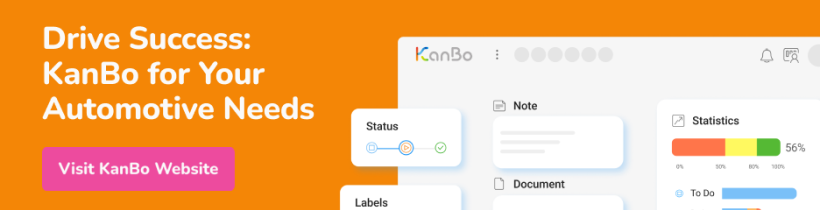
KanBo is much more than just a communication tool. It is a comprehensive work coordination platform that allows teams to manage all aspects of their work in one centralized location. With KanBo, teams can easily create workspaces and spaces, assign people and schedule tasks, and manage their work using various visual tools, including Kanban boards, mind maps, and Gantt charts.
In addition to task management, KanBo also offers advanced features, such as document management, version control, and document references. This allows teams to keep all relevant documents and information in one place, making it easy to access and share valuable information with the right people at the right time.
KanBo also offers powerful reporting and analytics capabilities, allowing teams to gain valuable insights into their work and make data-driven decisions. Teams can create custom dashboards and reports, track key performance indicators (KPIs), and monitor progress on their projects in real-time.
But that’s not all. KanBo also offers resource management features, making it easier for teams to manage their workload and allocate resources effectively. With KanBo, teams can easily track their workload, manage their schedules, and ensure that everyone has the resources they need to get the job done.
So, while communication is undoubtedly an essential aspect of any work coordination platform, KanBo goes above and beyond to offer a comprehensive solution that covers all aspects of work management. With its powerful features and intuitive interface, KanBo is the perfect platform for large enterprises that want to streamline their work processes and maximize efficiency.
Q&A
1. Q: What advantages does KanBo offer to large organizations?
A: KanBo offers a comprehensive range of features that cater to the needs of large enterprises, including project management, collaboration, communication, and document management. Its integrated communication tools enable teams to stay connected and communicate seamlessly with each other, regardless of their location. Collaboration is improved, and tasks are delegated efficiently to enable smooth workflow and faster resolution of issues. KanBo’s project management tools allow managers to plan, manage, and monitor the progress of their projects, ensuring that projects are completed on time and within budget. With its intuitive interface, KanBo allows users to visualize their projects and easily identify the status of their tasks and milestones.
2. Q: What is the role of KanBo’s Principal Platform Architect?
A: KanBo’s Principal Platform Architect is responsible for leading the development and implementation of all KanBo projects. With deep knowledge and expertise in the automotive industry, the Principal Platform Architect ensures that KanBo’s features and tools cater to the industry’s unique needs. This ensures that KanBo provides unparalleled value to its clients in the automotive industry.
3. Q: What tools does KanBo offer for document management?
Use Case: Guiding Team Members and Aligning Operations for Successful Projects
As the Principal Platform Architect of KanBo, the responsibility falls on you to ensure that the software solutions developed for large enterprises are aligned with their respective goals and objectives. One way you ensure this is by guiding both team members and external operations to be successful, with a focus on pairing the best technology with business and customer needs.
For instance, when working on solutions for Honda Hardware, you are tasked with creating and managing software development activities that test and tune the strategic direction of the company. You work in multiple concurrent SW projects, assigning technical SW skills for each project.
To ensure that each solution meets the needs of the customer, you capture their requirements first before solving the problem. You interface between teams and SW developers, ensuring that everyone is on the same page.
When designing and building mobile applications, you focus on user-centered design, building performant, scalable, and secure native mobile applications on Android. You offer guidance and direction on mobile application architecture and system design, ensuring that these solutions are the best fit for the company’s goals.
One of the features you may use to communicate with external users is the KanBo Sending Card Comments as Email Messages. This feature allows you to write a comment/message in a card and mark it for sending to an email recipient. With a public email address of a card, you can now communicate with external users who can reply directly to the card.
To use this feature, you enable it as an additional component, configure it, and enter the card. Once on the card, simply write a comment, select Send as email from the drop-down menu, create an incoming email address, select an email to receive the message, and press Send to send a message. The comment will be visible in a card and board’s activity streams, providing you with the information of to whom the message was sent.
In conclusion, as the Principal Platform Architect of KanBo, your role involves guiding team members and aligning operations to ensure the successful completion of projects. You help create and manage software development activities to ensure each solution is aligned with business and customer needs. You also find innovative ways to communicate with external users to improve collaboration and project outcomes.