Work coordination platform
Designed for the automotive industry
As a leader in innovation, you understand the importance of staying ahead of the curve in the fast-moving automotive 4.0 world. KanBo provides you with the tools to do just that by facilitating smart factory operations, streamlining project management, fostering collaboration and solving complex problems.
Streamline Your Automotive Operations with KanBo: A Comprehensive Work Coordination Platform for Senior Subcontractor Administrators
Introduction:
KanBo is a work coordination platform that offers a comprehensive solution for large enterprises’ collaboration needs. Whether on-premises or cloud-based, KanBo provides businesses with the tools and functionality to streamline all vital business processes. One of its key offerings is the ability to communicate effectively across all teams and departments, ensuring seamless collaboration.
Features and Benefits:
KanBo is packed with features that make it an ideal collaboration solution for large enterprises. These features include smart factory operations, project management, problem-solving, and easy team collaboration.
KanBo’s smart factory operations allow businesses to manage their processes with ease, helping to improve efficiency while cutting down on costs. Its project management feature streamlines the tracking and completion of projects, ensuring timely delivery. KanBo also fosters collaboration among teams and departments, making it easier to work together.
One standout feature of KanBo is its ability to solve complex problems. It provides a platform for businesses to analyze problems, evaluate solutions, and achieve desirable outcomes. KanBo’s problem-solving feature significantly reduces the time it takes for businesses to resolve complex problems.
Communication in Automotive:
KanBo is particularly well-suited for businesses in the automotive industry. Its communication feature enables businesses to keep their teams connected, regardless of geographical location, device, or network. This feature is especially beneficial in the automotive industry, where teams may be distributed across the globe.
KanBo’s communication feature also allows businesses to streamline their supply chain management. This is vital for businesses in the automotive industry, where timely delivery of goods and services is critical. With KanBo’s communication feature, teams can easily communicate and collaborate on tasks, ensuring timely delivery and a smooth supply chain.
Product Tour:
KanBo’s work coordination platform comes with an intuitive and responsive platform that ensures easy access to all features and functionalities. Its user-friendly interface makes it easy for businesses to train their teams on how to use the platform effectively.
One standout feature of KanBo’s tour is the visual collaboration feature, which allows businesses to collaborate in real-time. They can share information, such as design drawings, process flows, and timelines, to ensure everyone is on the same page.
Conclusion:
KanBo is a work coordination platform designed to cater to the needs of large enterprises. Its features and functionality make it an ideal collaboration solution that can improve business processes significantly. Its communication feature is particularly well-suited for businesses in the automotive industry, making KanBo a platform worth considering for businesses looking to streamline their operations and boost productivity.
One week of life Senior Subcontractor Administrator in Automotive industry with KanBo
Monday:
As a Senior Subcontractor Administrator in the automotive industry, my day starts by opening the KanBo app. I check my notifications and follow-ups from last week and prioritize my tasks for the day. Since it’s the beginning of the week, I check the KanBo workspace for any pending tasks from my subcontractors and assign new tasks for them to complete. I also utilize the Kanban view to check the progress of ongoing tasks.
Tuesday:
On Tuesdays, I schedule meetings with my team and international suppliers. KanBo’s calendar view helps me in scheduling meetings and tracking upcoming deadlines. I access my meetings’ details and necessary documents in one place and update my team accordingly, ensuring the seamless progress of work.
Wednesday:
Wednesdays are dedicated to solving complex problems and collaborating with team members. I create a workspace where team members can discuss and solve complex problems collaboratively. Using the Mind Map view, the team generates new ideas and presents them to me. I assign tasks to the team and follow their progress via the Kanban view.
Thursday:
As a Senior Subcontractor Administrator, I frequently ask for updates from my team on their progress, incurred costs, and any issues that may arise. I use KanBo’s Gantt Chart view to track the progress of ongoing projects, their timeline, budget, and critical path. Knowing all necessary details, I make strategic decisions for the team looking towards the automotive industry’s future.
Friday:
On Fridays, I compile weekly progress reports and share it with upper management. KanBo’s dashboard and reports enable me to present data and track my team’s productivity. It helps me to showcase my team’s progress to management and ensure that everyone is on track. Finally, I end the day in prioritizing my tasks for next week and ensure everyone is well informed via notifications and follow-ups in KanBo.
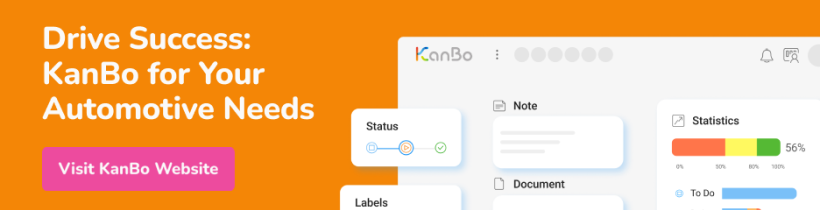
Yes, KanBo is much more than just a tool for communication. While communication is an important aspect of the platform, KanBo offers a range of features designed to improve work coordination and management. Here are some of the features that make KanBo an all-encompassing work coordination platform:
1. Workspaces: KanBo offers collaborative workspaces where teams can organize and manage their work.
2. Card-based system: KanBo’s card-based system provides a visual way to organize and manage work tasks, allowing teams to track progress and prioritize tasks.
3. Document Management: KanBo integrates with various document sources such as SharePoint, OneDrive, and Google Drive, allowing teams to easily manage and collaborate on documents within the platform.
4. Task Management: KanBo’s task management features allow teams to schedule and assign tasks, set deadlines, and track progress.
5. Board Analytics: KanBo’s board analytics provide insights into how teams are working and can help to identify areas for improvement.
6. Integrations: KanBo integrates with a range of other tools, including Microsoft Teams, Slack, and Outlook, making it easy to incorporate into existing workflows.
7. Customization: KanBo offers a range of customization options, including the ability to create custom card templates, allowing teams to tailor the platform to their specific needs.
In summary, while communication is a crucial part of the platform, KanBo offers a range of other features designed to improve work coordination and management, making it an all-encompassing work coordination platform.
Q&A
1. Q: What industries can benefit from using KanBo’s work coordination platform?
A: KanBo’s work coordination platform is particularly well-suited for large enterprises working across industries. However, its communication and collaboration features make it an ideal solution for businesses in the automotive industry, where teams may be distributed across the globe.
2. Q: How does KanBo’s problem-solving feature reduce the time it takes for businesses to resolve complex problems?
A: KanBo’s problem-solving feature provides a platform for businesses to analyze problems, evaluate solutions, and achieve desirable outcomes. By providing a centralized platform for problem-solving, teams can work collaboratively and efficiently, reducing the time it takes to resolve complex problems.
3. Q: How does KanBo’s Gantt Chart view help Senior Subcontractor Administrators in the automotive industry?
A: KanBo’s Gantt Chart view helps Senior Subcontractor Administrators in the automotive industry track the progress of ongoing projects, their timeline, budget, and critical path. This enables administrators to make strategic decisions for their teams and track progress towards the automotive industry’s future.
Use Case: How KanBo Simplifies Contract Management in Automotive Industries
Suppose a large automotive company needs a tool to assist with contract management, tracking subcontract deliverables, and communication between cross-functional teams. KanBo can offer a solution that simplifies the entire process.
Using KanBo, the company can create a board specifically dedicated to the management of contracts. They can then use the incoming email functionality to send RFx (Requests for x) emails right into the board using Microsoft Office skills. Users can create a custom email address for the board, and any incoming emails will automatically be converted into a new KanBo card on the board.
Suppose the company receives an RFQ or RFP from a potential subcontractor, the email can be forwarded directly to the board, and the relevant cross-functional team members can be assigned to the card. This way, all communication pertaining to the RFP or RFQ is organized in one place, making it easy to track the progress of negotiations and analyze the proposals.
KanBo also provides a feature for labeling these cards, creating sections, and colors to help users track their tasks or progress. The @mention feature can be used to ensure someone’s responsibility for the particular task.
Additionally, KanBo can help with setting up reminders for contractual milestones, such as termination dates, renewal dates, and other crucial deadlines, which can be shared with all stakeholders to ensure timely compliance.
KanBo makes it possible to manage the entire process of contract management, tracking subcontract deliverables, and communication between cross-functional teams in one place. With KanBo, automotive companies can simplify their procurement process and ensure compliance with federal, state, and local laws. Finally, by allowing communication and collaboration in real-time, KanBo minimizes the risk of contractual breaches and helps mitigate problems that may arise throughout the procurement process.