Work coordination platform
Designed for the automotive industry
As a leader in innovation, you understand the importance of staying ahead of the curve in the fast-moving automotive 4.0 world. KanBo provides you with the tools to do just that by facilitating smart factory operations, streamlining project management, fostering collaboration and solving complex problems.
Revolutionize Your Work Coordination Processes with KanBo: The Ultimate Service Assistance for Large Enterprises
When it comes to large enterprises, the need for efficient work coordination is paramount. Modern companies operate in a fast-paced environment where various teams and departments need to work together seamlessly to achieve their goals. This is where KanBo comes in, as a work coordination platform designed specifically for this purpose.
One of the strengths of KanBo lies in its flexibility. It can be installed on-premises or used through cloud-based licensing, providing businesses with the freedom to choose the implementation that works best for them. This allows companies to customize their work coordination platform to the specific needs and preferences of their organization.
KanBo is also dedicated to providing exceptional service assistance to its users. The platform features an overview that highlights the core benefits of the product, allowing users to grasp its functionality quickly. Additionally, a short product tour helps to provide detailed and visual insight into the platform’s capabilities and how it can be used in practice.
In the automotive industry, KanBo’s focus on communication is especially useful. The platform streamlines workflows, enabling faster and more efficient collaboration among various stakeholders. Service advisors and workshop foremen can work together, supported by active customer care and appointment coordination. The platform even manages shuttle and bridging vehicles, ensuring that every aspect of the customer experience is optimized.
Overall, KanBo is an indispensable tool for large enterprises looking to optimize their work coordination processes. Its flexibility, service assistance, and focus on communication make it an excellent investment for any company looking to streamline its operations.
Monday:
On Monday, start your week by creating a KanBo workspace for the upcoming week. Assign necessary team members to the workspace, clarify the goals, and set deadlines. Create cards for all the tasks that need to be accomplished during the week and assign them to the relevant team members. Use the Kanban view to see the progress of each task and identify potential bottlenecks.
Tuesday:
Tuesday is all about reviewing and planning. Review the progress and status of each task, identify any issues that need to be addressed, and plan for the rest of the week. Use the calendar view to schedule upcoming meetings, deadlines, and events. Use chat messages and comments to communicate with team members and discuss any issues or concerns that need to be addressed.
Wednesday:
Wednesday is a day of collaboration. Work on cards with your team members, share any updates, and provide feedback to each other. Use the checklist feature to break down bigger tasks into smaller, manageable ones. Use the document view to attach relevant files and make sure everyone has access to the necessary information.
Thursday:
Thursday is the day of problem-solving. Analyze any issues that came up during the week and brainstorm solutions with your team members. Use the mind map view to visually map out ideas, root causes, and potential solutions. Use the Gantt chart view to see the dependencies between tasks and identify any potential delays.
Friday:
On Friday, wrap up the week by reviewing progress and accomplishments. Celebrate completed tasks and milestones with your team members. Use the activity view to see all the recent updates and changes made to the workspace. Use the report feature to generate reports and share them with stakeholders or clients. Finally, plan ahead for the following week and make sure everything is in place for a successful start.
By following this one week service assistance guide in the automotive industry with KanBo, you can streamline your work process, foster collaboration with your team members, and stay ahead of the curve in the fast-moving automotive 4.0 world.
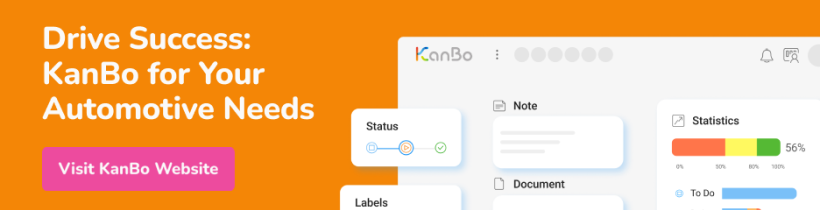
Many people think of KanBo as merely a communication tool for teams. However, the platform is much more than that. KanBo combines various functionalities, including project management, document management, task management, and collaboration, to provide a comprehensive solution for large enterprises. It is packed with features designed to simplify processes and workflows, allowing teams to focus on high-value work and achieving their goals.
With KanBo, teams can create workspaces and spaces to organize their projects, documents, and tasks. They can assign team members to specific tasks and set deadlines to ensure the work is completed on time. KanBo also supports multiple document sources, so team members can access all the relevant information they need, without having to switch between different platforms and apps.
KanBo’s communication capabilities are enhanced with features such as @mentions, comments, activity streams, and notifications that keep everyone in the loop about what’s happening in the project. Dashboards and reports give team leaders real-time visibility into their team’s progress and enable them to track performance metrics.
KanBo also offers different viewing options, such as Kanban, list, table, timeline, and Gantt chart views, which make it easy for teams to visualize their work and stay on top of their responsibilities. Finally, KanBo’s resource management feature helps teams manage their workload and ensure that the right resources are available to complete the tasks on time.
KanBo is a platform that goes beyond just communication and collaboration. It is a comprehensive solution for large enterprises that can optimize work management, promote transparency, and boost productivity to achieve their goals.
Q&A
Q: What makes KanBo unique compared to other work coordination platforms?
A: KanBo’s flexibility and focus on communication set it apart from other work coordination platforms. It can be installed on-premises or used through cloud-based licensing, and its service assistance features help users grasp its functionality quickly. Additionally, in the automotive industry, KanBo’s ability to streamline workflows and manage shuttle and bridging vehicles sets it apart.
Q: Can KanBo be customized to fit the specific needs of an organization?
A: Absolutely. KanBo provides businesses with the freedom to choose the implementation that works best for them. This includes the ability to customize their work coordination platform to the specific needs and preferences of their organization.
Q: How can KanBo help large enterprises improve their work coordination processes?
A: KanBo streamlines workflows and enables faster and more efficient collaboration among various stakeholders. It helps teams communicate more effectively and manage tasks, deadlines, and events, all in one centralized location. Its focus on problem-solving and visualization features, such as the mind map view and Gantt chart view, helps teams proactively identify and address potential issues and delays. Overall, KanBo is an indispensable tool for large enterprises looking to optimize their work coordination processes.
Use Case: KanBo in the Automotive Industry
The automotive industry relies heavily on the efficient coordination of various departments such as the reception area, customer service, and workshops. KanBo is an ideal work coordination platform for this industry, which specifically caters to their needs and provides an array of features to facilitate seamless communication and collaboration.
Ensuring a Smooth Workflow: KanBo’s customizable workspaces allow teams to organize their projects, documents, and tasks in one place, making it easier to manage and track progress. With KanBo’s communication capabilities, collaborating among various stakeholders including the reception, workshop foremen, and service advisors becomes easier.
Support for Workshop Foremen and Service Advisors: KanBo enables workshop foremen and service advisors to work together, with all relevant information available in one platform. KanBo’s multiple document sources eliminate the need for shifting between different apps and platforms, streamlining workflows.
Responsibilities for Correspondence and Telephone Exchange: KanBo’s communication features such as mentions, comments, and notifications make it easier to follow up with correspondence, phone calls, and appointments in real-time. The platform’s resource management feature helps manage workload to ensure a smooth workflow.
Active Customer Care and Appointment Coordination: KanBo’s appointment management feature enables service advisors to schedule appointments with customers and assign the appropriate team member to carry out the task. This ensures that customers receive the best possible service while optimizing resources.
Management of Shuttle and Bridging Vehicles Tasks: KanBo’s dashboards and reporting features enable managers to track key performance metrics such as shuttle and bridging vehicles. They can also use the platform to optimize scheduling, ensuring timely delivery to customers.
Using Microsoft Office Skills with KanBo Mentions: KanBo is also user-friendly, allowing users to incorporate popular tools such as Microsoft Office with ease. Users can mention others by typing “@” and the person’s name or drag and drop avatars of members into the text field. This feature makes it easier to bring specific tasks and information to the attention of relevant team members, facilitating better communication and coordination.
In conclusion, KanBo’s features make it a must-have platform for the automotive industry, streamline workflows, promote transparency, boost productivity, and enhance customer satisfaction. With its customizable workspaces, communication capabilities, and resource management features, KanBo is an indispensable tool for any business looking to optimize their work coordination processes and achieve their goals.