Work coordination platform
Designed for the automotive industry
As a leader in innovation, you understand the importance of staying ahead of the curve in the fast-moving automotive 4.0 world. KanBo provides you with the tools to do just that by facilitating smart factory operations, streamlining project management, fostering collaboration and solving complex problems.
Maximizing Efficiency: An Inventory Control Analyst’s Guide to Achieving Success with KanBo Work Coordination Platform in the Automotive Industry
In today’s fast-paced business world, large enterprises require a solution that provides efficient work coordination, streamlines project management, and fosters collaboration among teams. KanBo is a work coordination platform designed specifically for this purpose.
For Inventory Control Analysts in the automotive industry, KanBo provides a range of features and benefits that make their daily work much more manageable. The platform offers a way to lead internal supply chain through analysis, problem solving, execution, and maintenance based on the requirements of daily production and new models, with minimal impact on the overall supply chain.
Maintaining accuracy in systems is key to ensuring success in the production process, and KanBo provides the tools necessary to achieve this. It offers daily reports that can be reviewed and then acted upon, ensuring participants can understand situations and direct action as needed. By providing the ability to go to the spot (Genba), KanBo enables participants to identify and resolve issues, or better yet, identify improvement opportunities proactively.
KanBo is also a valuable asset during the mass production build-out and the launch of new models. By ensuring the quality and accuracy of data in real-time, with minimal supply chain impact for events and mass production readiness, KanBo helps to avoid costly production issues that may arise during these times.
Project management is an essential aspect of the automotive industry, and KanBo helps to simplify this process. Using the Specified Action Plan (SAP), KanBo allows Inventory Control Analysts to manage and execute project-related activities comprehensively and on time. To ensure project success, KanBo also captures both successes and failures into future models, further aiding the production process.
KanBo also promotes communication and collaboration between different facilities, allowing for knowledge-sharing and reducing duplicate workloads. By developing and maintaining professional communication networks with other facilities to share best practices, KanBo invites continuous improvement and fosters engagement.
Overall, KanBo is a valuable work coordination platform for businesses of all sizes. Its range of features and benefits allow for efficient work coordination, streamlined project management, and timely communication — all vital components of success in the automotive industry. Inventory Control Analysts can benefit from the platform’s ability to proactively identify improvement opportunities and avoid costly production issues.
One week of life Inventory Control Analyst in Automotive industry with KanBo
Are you an Inventory Control Analyst in the Automotive industry looking to streamline your workflow? KanBo is the ultimate solution for managing your day-to-day activities as an Inventory Control Analyst. Here’s a step-by-step guide on how you can utilize KanBo to improve your productivity and efficiency in the workplace.
Monday
Start your week by logging into KanBo and creating a new workspace for your department. Invite members who will be working with you in this workspace. Create a new board, set the workflow, and add cards for the different stages of your inventory control process. Assign cards to team members and start working on them.
Tuesday
In your KanBo board, view the Kanban view of your workflow to check on the progress of your cards. If any blockers arise, use the Card Blocker feature to create and assign a blocker card to the relevant team member. Follow up on the blocker card’s progress until it is resolved.
Wednesday
Schedule a weekly team meeting using KanBo’s Activity Streams feature. Use the @mention feature to notify your team members of the meeting. Create an agenda card for the meeting and share it with your team members. During the meeting, use the KanBo board to review your team’s progress and discuss any challenges or concerns.
Thursday
Use KanBo’s Document View feature to access relevant documents and files for inventory control. Leverage KanBo’s document versioning feature to keep track of changes made to documents. Store all critical documents in your KanBo Document Groups and create Document Folders for easier navigation and organization.
Friday
Use KanBo’s Dashboard & Reports feature to monitor KPIs, track team member productivity, and measure the effectiveness of your inventory control process. Use the timeline view to analyze your progress over the week and identify areas for improvement.
Conclusion
Using KanBo enabled Inventory Control Analysts to streamline their workflows and improve visibility in their department’s inventory processes. With KanBo’s collaboration, scheduling, document management, and visualization features, you could focus on improving your productivity and efficiency in the automotive industry.
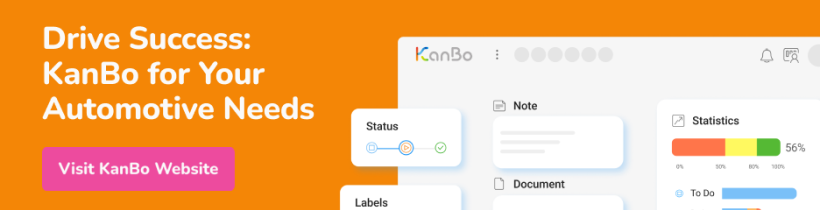
Yes, KanBo is much more than just a tool for communication. While it does have powerful communication capabilities such as @mentions, notifications, and activity streams, KanBo is designed to be a comprehensive work coordination platform that enables teams to organize, collaborate, and streamline their work processes.
Some of the key features of KanBo that make it more than just a communication tool include:
1. Workspaces and Spaces: KanBo allows for the creation of workspaces and spaces that help teams organize their work and collaborate more effectively.
2. Card Elements: KanBo’s card elements allow teams to add multiple types of information such as text, images, links, checklists, and more to a single card.
3. Card Statuses and Blockers: KanBo’s card statuses and blockers can help teams track progress, identify obstacles, and prioritize their work.
4. Document Management: KanBo allows for multiple document sources in spaces, document folders, versioning, and document references.
5. Visualize Work: With KanBo’s Kanban, list, table, calendar, Gantt chart, timeline, mind map, and activity views, teams can visualize their work in different ways to suit their needs.
6. Dashboards and Reports: KanBo’s customizable dashboards and reports allow teams to track progress, monitor key metrics, and identify areas for improvement.
So while communication is certainly a key aspect of KanBo, its robust set of features are designed to help teams optimize their work management and achieve higher productivity and satisfaction at work.
Q&A
1. QA: What industry is KanBo specifically designed for?
A: KanBo is designed for businesses of all sizes, but it is particularly useful for large enterprises that require efficient work coordination, streamlined project management, and collaboration among teams. Specifically, it is highly beneficial for those in the automotive industry.
2. QA: How does KanBo help Inventory Control Analysts in the automotive industry?
A: KanBo provides Inventory Control Analysts in the automotive industry with a range of features that make their day-to-day work more manageable. These include the ability to lead the internal supply chain through analysis, problem-solving, execution, and maintenance, as well as the ability to capture both successes and failures into future models to aid future production processes.
3. QA: What features of KanBo make it a valuable asset during mass production build-out and new model launches?
A: KanBo helps to ensure the quality and accuracy of data in real-time, with minimal supply chain impact, during mass production build-out and new model launches. It also provides daily reports that can be reviewed and acted upon, allows participants to identify and resolve issues proactively, and helps to avoid costly production issues. These features ultimately contribute to an efficient and successful production process.
Use Case: Streamlining Communication and Collaboration with Incoming Emails in KanBo
One of the key features of KanBo is its ability to simplify communication and collaboration between team members. A great example of this is the platform’s Incoming Email functionality, which allows users to send emails to a KanBo board or card, streamlining communication and making collaboration even more efficient.
For example, an Inventory Control Analyst in the automotive industry can easily send emails to KanBo Boards or cards with updates on inventory levels, production schedules, and supply chain issues, ensuring that the entire team is kept in the loop. This simple feature reduces the need for multiple emails, phone calls, or meetings and saves time for all parties involved.
With the Incoming Email functionality, users can easily create a new card by sending an email to the board or add content to existing cards. They can also add extra information in the subject using “#” and “@” to create labels and assign users to the card, making it easy to keep track of tasks and deadlines. Additionally, users can use their Microsoft Office skills to send emails to KanBo and keep their workflows organized.
To start using the Incoming Email functionality, users can create an email address for the board by going to the board menu, selecting “Settings,” choosing “Incoming Emails,” and clicking “Add.” They can then send an email to the board by copying the board email address to the clipboard and waiting for the email to be added as a new card or added to an existing card.
Overall, Incoming Emails in KanBo is a valuable feature that simplifies communication and collaboration for teams in the automotive industry and beyond. With this feature, users can easily share updates, assign tasks, and streamline workflows, saving time and increasing productivity.