Work coordination platform
Designed for the automotive industry
As a leader in innovation, you understand the importance of staying ahead of the curve in the fast-moving automotive 4.0 world. KanBo provides you with the tools to do just that by facilitating smart factory operations, streamlining project management, fostering collaboration and solving complex problems.
How KanBo’s Work Coordination Platform Boosts SAP Product Costing for Inhouse Consultants
Introduction:
In today’s fast-paced business environment, large enterprises need a solution that can bring all their teams, departments, and external stakeholders together to work seamlessly and efficiently. KanBo is a work coordination platform that has been designed to cater to this need. With its on-premises and cloud installations and licenses, KanBo provides a range of options to cater to the preferences and needs of different types of businesses.
Feature Benefits:
One of the key features of KanBo is its ability to facilitate smart factory operations and streamline project management. It helps with efficient collaboration, problem-solving, and fosters innovation. KanBo’s strong focus on digitization helps it design flexible, innovative, and efficient solutions for the finance and controlling areas that are designed to meet the specific needs of large enterprises.
In addition, KanBo allows for the operational operations and conceptual further development of financial and controlling processes, including system-side realizations in the existing SAP financial and controlling templates of Daimler Truck AG in the area of product costing (SAP CO-PC). This enables businesses to derive valuations that are relevant for the valuation of new and used vehicles, subassemblies, and spare parts in Accounting and Controlling.
Product Tour:
KanBo offers a variety of features including:
1. Smart Factory Operations: KanBo helps businesses to manage their operations seamlessly, ensure timely delivery, and meet their operational targets efficiently.
2. Streamlined Project Management: KanBo supports businesses in managing their projects and tasks with ease, allowing for better planning, tracking, and collaboration across departments.
3. Fostering Collaboration: KanBo’s ability to foster collaboration between teams helps to increase productivity and drive innovation.
4. Solving Complex Problems: KanBo is specifically designed to help businesses solve complex problems related to product costing and inventory accounting, (SAP FI/MM) and product income statement (SAP CO-PA).
Conclusion:
From smart factory operations to project management and collaboration, KanBo has demonstrated its ability to bring large enterprises together. Its unique mix of features helps support businesses in their efforts to solve complex problems and streamline their operations. KanBo’s strong focus on digitization makes it a valuable asset for any large enterprise looking to streamline their operations and improve collaboration. For large enterprises dealing with complex challenges, KanBo is a work coordination platform worth considering.
Monday:
As an Inhouse Consultant for SAP Product Costing in the Automotive industry, my workweek starts on Monday. I review my KanBo workspace to see what’s on my plate for the week. I have a few projects that I’m overseeing, so I start by checking out the Kanban view to see what’s moving through the stages. I update tasks as needed and get to work on some cost calculations for one of my projects.
Tuesday:
On Tuesday, I have a few meetings with colleagues and suppliers. I use the Calendar view in KanBo to see what my schedule looks like for the day and remind myself of what I need to prepare for each meeting. After the meetings, I take a few minutes to update the related cards in KanBo with any new information or action items that need to be taken.
Wednesday:
I spend most of Wednesday collaborating with my team on a particularly complex project. We use the Mind Map view in KanBo to brainstorm different solutions and approaches. I add notes and tasks to the cards as we go to keep everyone on the same page. We make a lot of progress, and the Mind Map acts as a great visual aid to track our progress.
Thursday:
Today, I have some research to do on new manufacturing processes that could impact the costing of our products. I use the Search Everything function in KanBo to find related documents and information that can help me complete my research. I attach the relevant documents to a card and update the project status to reflect my findings.
Friday:
On Friday, I spend some time going through my notifications and activity stream in KanBo. I follow up on some tasks that have been assigned to me and make sure everything is on track for the coming week. I take a final look at my Kanban boards and calendar to ensure that I have everything under control. With everything updated and set for Monday, I close my laptop and head into the weekend with peace of mind.
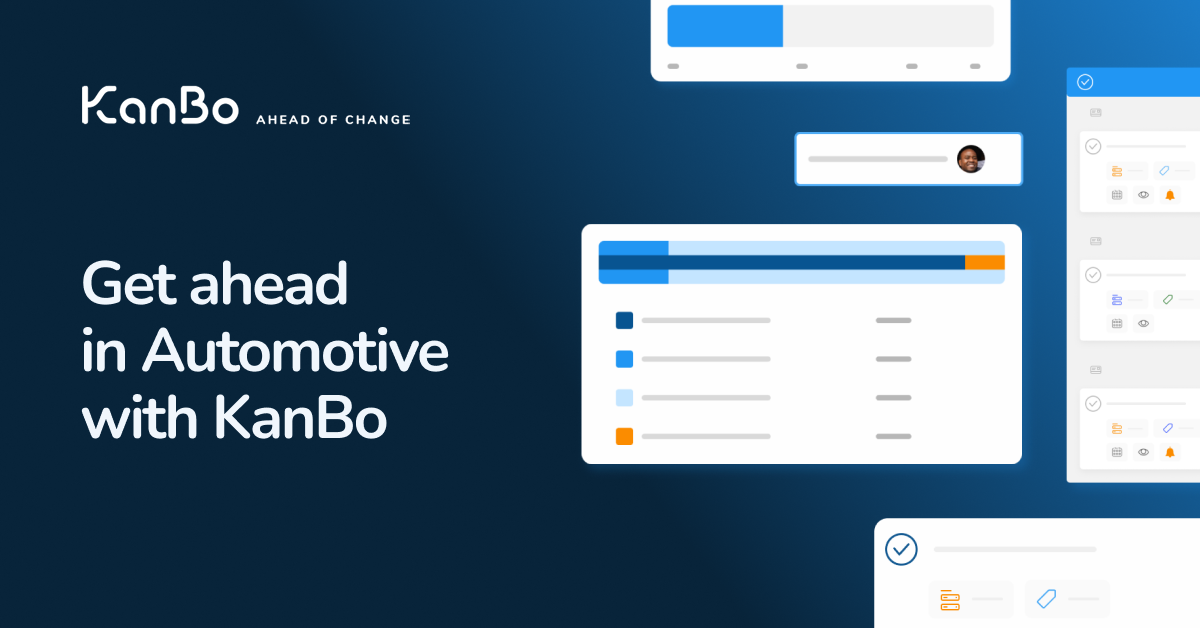
Did you know that KanBo is much more than a tool for communication? While communication is an essential feature of KanBo, the platform is designed to be an all-encompassing solution for work coordination and management. With features like workspaces, cards, scheduling, status tracking, templates, and more, KanBo provides a holistic approach to managing work in large enterprises.
KanBo’s powerful workspaces allow teams and departments to collaborate and organize their work seamlessly, without any disruptions or distractions. The workspace is designed to bring together all relevant information, tools, and people in one place, allowing teams to work efficiently and effectively.
KanBo’s cards are more than just a communication tool; they are a powerful way to track and manage tasks, projects, and initiatives. With features like card scheduling, assigning people to cards, card elements, notes, checklists, card statuses, card templates, and document groups, KanBo provides a comprehensive way to manage work items.
KanBo’s status tracking feature allows teams to track the progress of work items in real-time, ensuring that everyone is aligned and up-to-date on the status of each task or project. The status tracking feature also allows teams to identify any potential issues or blockers quickly, and take proactive steps to address them.
KanBo’s templates feature allows teams to create standard workflows, processes, and procedures for specific tasks or projects, ensuring consistency and efficiency in work management. The templates also save time by eliminating the need to start from scratch every time a similar task or project comes up.
In addition to these features, KanBo also offers a range of views for visualizing work, including Kanban view, list view, table (spreadsheet) view, calendar view, Gantt chart, timeline view, activity view, document view, mind map view, and dashboards & reports. These views enable teams to choose the best way to visualize their work, depending on their preferences and requirements.
In conclusion, while communication is a critical feature of KanBo, the platform offers much more than just that. With powerful workspaces, cards, scheduling, status tracking, templates, and views, KanBo is an all-encompassing solution for work coordination and management in large enterprises.
Q&A
Q: What does KanBo focus on in order to help large enterprises streamline their operations?
A: KanBo focuses on digitization and collaboration in order to help large enterprises streamline their operations.
Q: What specific challenges does KanBo help businesses address in the finance and controlling areas?
A: KanBo helps businesses address challenges related to product costing and inventory accounting (SAP FI/MM) and product income statement (SAP CO-PA) in the finance and controlling areas.
Q: How does KanBo help with collaboration between teams and fostering innovation in the workplace?
A: KanBo helps with collaboration between teams and fostering innovation by providing a seamless work coordination platform that allows for efficient collaboration, problem-solving, and innovation. Its features like the Mind Map view and Kanban view aid in brainstorming sessions and tracking progress, while the Search Everything function helps to easily find related documents and information to complete research.
Use Case: How KanBo Enables Part-Time Employment in the Automotive Industry
Part-time employment is becoming a common trend in the automotive industry. Many workers prefer flexible work arrangements to balance their personal and professional lives. However, managing part-time employees can be challenging, especially if the work coordination platform is not designed to support this workforce model.
KanBo is a work coordination platform that can help businesses manage part-time employees with ease. Its user-friendly interface, flexibility, and collaboration features make it an ideal solution for businesses in the automotive industry. Let’s take a look at how KanBo can facilitate part-time employment tasks in the automotive industry using a concrete use case.
The Position: Derivation of Valuations for Accounting and Controlling
Consider a part-time employee who is responsible for deriving valuations that are relevant for the valuation of new and used vehicles, subassemblies, and spare parts in Accounting and Controlling. This employee needs to work closely with other team members to ensure proper financial statements are prepared, and new technical requirements are implemented.
How KanBo Can Help:
KanBo’s workspaces feature can be used to create a dedicated workspace for this team, allowing the part-time employee to collaborate with other team members seamlessly. Workspaces also help to organize all relevant information, tools, and people in one place, making it easier for the employee to jump in and out of the workspace as needed.
KanBo’s cards feature can be used to track and manage tasks related to the derivation of valuations. The employee can create new cards for each task, assign team members to those cards, and track the progress of those cards in real-time.
KanBo’s templates feature can be used to create standardized workflows and processes for this team, ensuring consistency and efficiency in work management. This feature saves time by eliminating the need to start from scratch every time a similar task or project comes up.
Microsoft Office Integration:
Many part-time employees in the automotive industry have strong knowledge of Microsoft Office tools, such as Outlook. KanBo integrates well with these tools and allows users to send emails to KanBo cards or boards seamlessly.
For example, the part-time employee can set up an incoming email address for their team’s KanBo workspace. They can then send emails to this address, and those emails will automatically become new cards in the workspace. This functionality allows the employee to use their existing Microsoft Office skills with KanBo, making it easier for them to transition to a new work coordination platform.
Conclusion:
KanBo is a work coordination platform that is flexible and user-friendly, making it an ideal solution for managing part-time employees in the automotive industry. With features like workspaces, cards, templates, and Microsoft Office integration, KanBo enables efficient collaboration, problem-solving, and fosters innovation. For businesses in the automotive industry looking to manage their part-time employees with ease, KanBo is an all-encompassing solution worth considering.