Work coordination platform
Designed for the automotive industry
As a leader in innovation, you understand the importance of staying ahead of the curve in the fast-moving automotive 4.0 world. KanBo provides you with the tools to do just that by facilitating smart factory operations, streamlining project management, fostering collaboration and solving complex problems.
How KanBo Empowers Data Collection Data Channel Engineers in the Automotive Industry
Enterprises are constantly faced with the challenge of streamlining their operations and managing projects in an efficient manner. This is where KanBo comes into the picture.
KanBo is a work coordination platform designed for large enterprises, with a specific focus on the automotive industry. It is a robust platform that enables smart factory operations, streamlines project management, and fosters collaboration among teams. KanBo’s mission is to help companies stay ahead of the curve by leveraging cutting-edge technologies to drive innovation.
KanBo is particularly valuable for Data Collection Data Channel Engineers who need to adapt, design, and implement online service architecture and applications to enable data collection from vehicles in China. With KanBo, these engineers can easily translate their understanding of China’s technology and compliance requirements into technical architectures and implementations that fuel the intelligent data-driven development process at Mercedes-Benz. Additionally, KanBo helps ensure that the data collection services are compliant with China’s strict data compliance policies and regulations.
One of the key features of KanBo is its ability to adapt to specific business, technology, and regulation requirements in various markets. The platform creates synergy with global architecture while adapting to local requirements, enabling enterprises to stay ahead of the curve. KanBo’s project planning feature allows businesses to create and maintain project timelines and key milestones based on the project plans of the service taker.
KanBo’s development of data collection architecture and services for the market focuses on collaboration with partners to provide customized solutions that meet the needs of each client. Testing and releasing of data collection services are a breeze with KanBo’s advanced testing procedures and performance tests. KanBo also closely monitors market trends and new technologies to ensure that its platform remains technologically competitive and up-to-date.
In conclusion, KanBo is a vital tool for large enterprises in the automotive industry looking to streamline their operations, manage projects efficiently, and foster collaboration among teams. Its robust features, flexibility, and ability to adapt to specific market requirements make it an ideal platform for any business looking to stay ahead of the curve.
As a Data Collection Data Channel Engineer in the Automotive industry, your role is to collect and analyze data to help improve the production process. With KanBo, you’ll be able to streamline your workflow, collaborate with team members, and stay organized. Here is a step-by-step guide on how to use KanBo for one week as a Data Collection Data Channel Engineer in the Automotive industry.
Monday:
Create a new KanBo Workspace and name it “Data Collection.” Add your team members to the Workspace and create two Spaces: “Production Data” and “Quality Data.” Start collecting data from the production process and input it into the KanBo Cards in the “Production Data” space. Assign each Card to a team member for further analysis.
Tuesday:
Review the Cards in the “Production Data” space with your team members. Use the Kanban View to prioritize tasks and set Card statuses to “In progress,” “Pending,” or “Done” based on their progress. Start creating new Card Templates for common data collection tasks to save time in the future.
Wednesday:
Move on to the “Quality Data” space and start analyzing data from the quality control process. Use the Table View to sort and filter data to identify any issues or trends that need to be addressed. Collaborate with team members by using @mentions and adding comments to Cards.
Thursday:
Create a new card in the “Data Collection” Workspace to track any issues or blockers that arise. Assign the card to the appropriate team member and set the due date to ensure timely resolution. Create an Activity View to keep track of all updates and changes made to Cards in the Workspace.
Friday:
Review the progress made throughout the week and use KanBo’s Dashboards and Reports to generate insights and identify areas for improvement. Use the Mind Map View to brainstorm ideas for future data collection projects and assign Cards to team members to continue the work next week.
By using KanBo, you’ll be able to optimize your workflow, collaborate effectively with team members, and analyze data in a more efficient way. With these tools at your disposal, you’ll be able to stay ahead of the curve in the fast-moving Automotive industry 4.0 world.
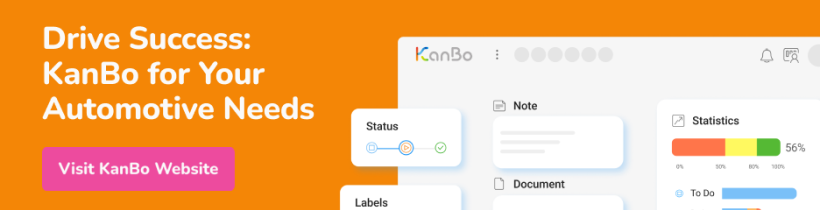
Yes, KanBo is much more than just a tool for communication. While communication is an essential part of any work coordination platform, KanBo goes beyond that to offer a range of features and capabilities that foster transparency, collaboration, and productivity.
With KanBo, teams can create workspaces, organize tasks, assign responsibilities, and track progress seamlessly. The platform offers multiple document sources in spaces, allowing users to store and access critical documents easily. Additionally, KanBo offers various card templates, card statuses, and card blockers that help users organize their work and keep it on track.
KanBo also offers multiple views of work, including Kanban, list, table, calendar, Gantt chart, timeline, and activity views, among others. The platform makes it easy for users to visualize their work, track progress, and make real-time adjustments on the go.
Moreover, KanBo offers resource management capabilities that help users optimize their resources and ensure that each team member is working on the right task at the right time. With KanBo, users can manage workload, track availability, and balance resources effortlessly.
In summary, KanBo is much more than just a communication tool. The platform provides an integrated work coordination solution that enables teams to work seamlessly, collaboratively and effectively. With its broad range of features and capabilities, KanBo helps organizations improve productivity, streamline workflows and achieve their objectives.
Q&A
1. Q: What industries is KanBo specifically designed for?
A: KanBo is designed for large enterprises with a specific focus on the automotive industry.
2. Q: How does KanBo ensure data compliance with China’s strict regulations?
A: KanBo helps ensure that the data collection services are compliant with China’s strict data compliance policies and regulations.
3. Q: Why is KanBo an ideal platform for businesses looking to stay ahead of the curve?
A: KanBo’s robust features, flexibility, and ability to adapt to specific market requirements make it an ideal platform for any business looking to stay ahead of the curve.
Use Case: Enhancing Data Collection Services with KanBo
To illustrate how KanBo can be utilized to enhance data collection services for the automotive industry, let’s consider the following use case:
A data collection team at Mercedes-Benz is tasked with developing an online service architecture and application to enable data collection from vehicles in the Chinese market. The team needs to ensure that the services they develop comply with China’s strict data compliance policies and regulations.
1. Adapting the Data Collection Architecture and Services Fit for the Market
The data collection team uses KanBo to understand the market’s specific business, technology, and regulation requirements. They create synergy with the global architecture by adapting the existing architecture and service according to the market and function requirements. Using KanBo’s project planning feature, they create and maintain project timelines and key milestones based on the project plan of the service taker.
2. Development of the Data Collection Architecture and Services for the Market Together with Partners
The team collaborates with partners to develop customized solutions that meet the needs of their clients. They use KanBo to manage workflows, assign tasks, and streamline communication among team members and partners.
3. Testing and Releasing of the Services
The team uses KanBo to design and implement test procedures and test cases. They perform test drives, create error tickets, and conduct end-to-end tests in collaboration with cloud platform service responsibles. Once the services have been tested and approved, they use KanBo to support global releasing.
4. Follow Closely the China Data Compliance Policies and Regulations, Ensure the Data Collection Services Are Compliant
To ensure that the data collection services comply with China’s strict data compliance policies and regulations, the team works closely with the compliance teams at Mercedes-Benz. They use KanBo to monitor the latest compliance requirements, embrace the company’s data compliance procedures, and implement the data compliance requirements into the data collection services.
5. Innovation
The team uses KanBo to stay up-to-date with market trends and new technologies. They create demonstrations, prototypes, and proof of concepts to show the functionality of new technologies when necessary. They strive to keep Mercedes-Benz technologically competitive and continue to innovate with KanBo’s support.
6. Cross-Function and Cross-Team Support Tasks in Automotive Industries
Finally, KanBo simplifies cross-function and cross-team support tasks in the automotive industry. For example, teams can use Microsoft Office skills with KanBo by sending card comments as email messages. This feature enables users to write a comment/message in a card and mark it for sending to an email recipient. In combination with a public email address of a card, users can communicate with external users as they reply to the card directly. This feature can be enabled as an additional component and configured easily within KanBo.
In conclusion, KanBo is an essential tool for large enterprises in the automotive industry looking to streamline their operations, manage projects efficiently, and foster collaboration among teams. In particular, KanBo is valuable for data collection teams who need to adapt, design, and implement online service architecture and applications for data collection in various markets. With KanBo’s innovative features, data collection teams can ensure compliance with regulations, update their technology regularly in line with market trends, and streamline communication with cross-functional and cross-team support in the automotive industry.
