Work coordination platform
Designed for the automotive industry
As a leader in innovation, you understand the importance of staying ahead of the curve in the fast-moving automotive 4.0 world. KanBo provides you with the tools to do just that by facilitating smart factory operations, streamlining project management, fostering collaboration and solving complex problems.
Buyer’s Guide: How KanBo’s Work Coordination Platform Streamlines Project Management and Collaboration for Large Enterprises in the Automotive Industry
In today’s fast-paced business world, large enterprises need a reliable and efficient platform to help them keep up. Enter KanBo, a work coordination platform designed to meet the unique needs of these complex organizations.
At its core, KanBo is all about collaboration and communication. Its intuitive interface allows team members to easily connect with each other and external stakeholders, regardless of location or device. And with on-premises and cloud installations available, businesses of all sizes can take advantage of KanBo’s powerful capabilities.
One of the standout features of KanBo is its focus on streamlining project management. With built-in tools for tracking tasks, deadlines, and budgets, teams can stay on top of their workloads and optimize their workflows. Customizable boards, cards, and templates make it easy to tailor KanBo to the specific needs of each department or project.
But KanBo’s benefits don’t stop there. Its powerful analytics tools give managers deep insights into performance and productivity, enabling them to make data-driven decisions and optimize operations. And with mobile access available, team members can stay connected and productive no matter where they are.
In the automotive industry, KanBo plays a particularly important role in facilitating smart factory operations. With its focus on communication and collaboration, KanBo helps automotive businesses stay on top of complex supply chains and supplier networks. The platform’s robust reporting tools make it easy to identify and address issues, ensuring that operations run smoothly and efficiently.
To get a sense of what KanBo can do, let’s take a quick tour of some of its key features:
– Customizable boards and cards: KanBo’s interface is highly customizable, allowing teams to create boards and cards that reflect their specific needs and workflows.
– Task tracking and management: With KanBo, teams can easily track tasks, deadlines, and budgets, keeping projects on track and under control.
– Analytics and reporting: KanBo’s powerful analytics tools give managers deep insights into performance and productivity, enabling them to make data-driven decisions and optimize operations.
– Mobile access: With mobile access available, team members can stay connected and productive no matter where they are.
If you’re looking for a work coordination platform designed for large enterprises, KanBo is definitely worth checking out. Its focus on collaboration and communication, combined with its customizable interface and powerful analytics tools, help businesses stay ahead of the curve in today’s fast-paced business world.
Introduction:
To illustrate the benefits of using KanBo in the automotive industry, we will follow a fictional Buyer’s daily routine for one week. Each day of the week will showcase how KanBo’s features can help streamline their workflow and improve their productivity.
Monday:
The Buyer starts their day by checking their KanBo workspace for any new orders. They see that a supplier has submitted a new quote for a component, but it exceeds the budget. The Buyer assigns the quote card to the Cost Analyst and sets a due date for a cost-saving proposal.
Tuesday:
The Cost Analyst proposes an alternative component that would meet the requirements and reduce costs. They add their proposal to the quote card, and the Buyer reviews and approves it. The Buyer then assigns the approved quote card to the Supplier Manager to initiate the purchasing process.
Wednesday:
The Supplier Manager receives the approved quote card, contacts the supplier, and updates the card with the shipment date and cost. The Buyer is automatically notified of the update and can track the progress of the order.
Thursday:
The Buyer sees that a delivery is delayed and may impact production. They quickly create a new task card and assign it to the Production Planner to find a temporary alternative solution. The Production Planner adds their plan to the card, and they collaborate to find a solution.
Friday:
The Buyer receives a request for an urgent purchase of a new component from the Production Planner. They quickly search for a supplier and find one in KanBo’s document library. They create a new quote card, attach the supplier’s information, and assign it to the Supplier Manager for review.
Conclusion:
Using KanBo, the Buyer was able to efficiently manage their daily tasks, collaborate with team members, and seamlessly integrate their workflow. By automating processes, using real-time notifications, and having all critical information in one place, KanBo helped optimize their workload and increase productivity.
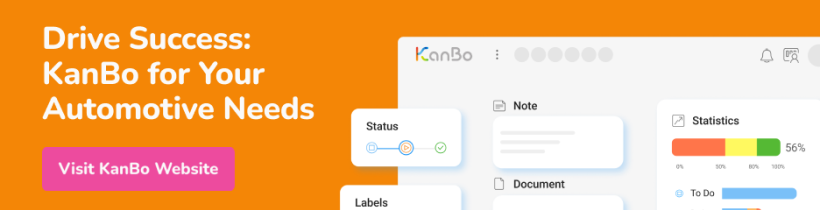
Did you know that KanBo is much more than just a tool for communication? While communication is a critical component of any work coordination platform, KanBo offers features that go far beyond simple messaging and collaboration. With KanBo, your team can streamline their workflows, manage projects, and improve their productivity.
One of the most significant benefits of using KanBo is its ability to help teams manage their workloads more efficiently. With spaces and workspaces, you can categorize and organize your work into different areas, making it easier to find and manage tasks. KanBo also offers card templates and card elements, which help teams create consistent workflows for specific types of work, saving time and increasing efficiency.
KanBo also provides a range of visualizations that help teams track progress and stay on top of their work. Kanban boards, list views, and Gantt charts enable teams to see their work in different formats, making it easier to identify bottlenecks and take corrective action.
Another essential feature of KanBo is resource management. This feature enables teams to manage and allocate resources, including people, time, and materials, more effectively. With resource management, teams can see how their resources are being allocated across projects and make adjustments as necessary.
In conclusion, KanBo is much more than just a tool for communication. It is a comprehensive work coordination platform that enables teams to streamline their workflows, manage projects, and improve their productivity. By using KanBo, your team can work more efficiently and achieve better results.
Q&A
1. Q: How can KanBo benefit the automotive industry?
A: KanBo can benefit the automotive industry by facilitating smart factory operations and helping businesses stay on top of complex supply chains and supplier networks. The platform’s robust reporting tools make it easy to identify and address issues, ensuring that operations run smoothly and efficiently.
2. Q: How can KanBo help improve workflow in large enterprises?
A: KanBo can help improve workflow in large enterprises by providing a collaborative platform that allows team members to easily connect with each other and external stakeholders, regardless of location or device. With built-in tools for tracking tasks, deadlines, and budgets, teams can stay on top of their workloads and optimize their workflows. Customizable boards, cards, and templates make it easy to tailor KanBo to the specific needs of each department or project.
3. Q: What sets KanBo apart from other work coordination platforms?
A: KanBo stands out from other work coordination platforms because of its powerful analytics tools, which give managers deep insights into performance and productivity, enabling them to make data-driven decisions and optimize operations. KanBo also offers mobile access, making it easy for team members to stay connected and productive no matter where they are. Additionally, KanBo’s customizable interface allows teams to create boards and cards that reflect their specific needs and workflows.
Use Case: How Automotive Industries Can Benefit from KanBo’s Microsoft Office Integration
KanBo is a versatile work coordination platform that can be easily integrated with Microsoft Office suite. This means that users can take advantage of their existing Microsoft Office skills to enhance their productivity and streamline their workflows. One such example is the “Sending Card Comments as Email Messages” feature.
Automotive industries often need to establish and maintain communication networks with their supply base and other external stakeholders. With KanBo’s “Sending Card Comments as Email Messages” feature, users can easily write a comment/message in a card and mark it for sending to an email recipient. This feature can be particularly useful when communicating with external suppliers or customers, as it allows users to send messages directly to their email inbox.
To use this feature, follow these simple steps:
1. Enable the “Sending Card Comments as Email Messages” feature as an additional component.
2. Enter the card and write a comment.
3. Select “Send as email” from the drop-down menu.
4. Create an incoming email address so that users can reply to the email.
5. Select one or more emails to which you want to send the message.
6. Press the “Send” button to send the message.
7. The comment will be visible in a card and board’s activity streams, with information on whom the message was sent.
By using KanBo’s “Sending Card Comments as Email Messages” feature, automotive industries can establish and maintain positive relationships with their supply base and other external stakeholders. This feature also supports the company’s vision through business plans and other department initiatives. Additionally, the integration with Microsoft Office suite makes it easy for users to adapt to the new platform and enhances their productivity.