Work coordination platform
Designed for the automotive industry
As a leader in innovation, you understand the importance of staying ahead of the curve in the fast-moving automotive 4.0 world. KanBo provides you with the tools to do just that by facilitating smart factory operations, streamlining project management, fostering collaboration and solving complex problems.
Boosting Manufacturing Efficiency: How KanBo’s Coordination Platform is Transforming the Role of Process Engineers
In today’s fast-moving business world, large enterprises need effective work coordination platforms to stay ahead of the curve. KanBo is one such platform that has been designed with large enterprises in mind. With features that streamline project management, facilitate smart factory operations, foster collaboration and solve complex problems, KanBo is the perfect tool for businesses looking to drive innovation and stay competitive.
For Manufacturing Process Engineer, the platform is the ultimate tool to ensure work standards and correct tool definition to build products while assuring safety in operation, quality in the station, and on-time delivery based on production rate. The platform also lets them analyze engineering changes applied to the product to assure the readiness of tooling and processes.
One of the strengths of KanBo is its on-premises and cloud installations and licenses, which cater to the needs and preferences of every type of business. The platform’s standard work instructions define, establish and optimize production processes for current products, new products, and product engineering changes, ensuring the implementation of a lean process that assures safety, quality and on-time delivery.
KanBo’s sustainability process for assembly devices, fixtures, templates, gauges, mobile equipment, electrical, controlled torque, and the manual tools for new operations of the assembly production lines, guaranteeing the quality of products. The platform also introduces new technologies to increase efficiency of the production processes that the operation demands, in order to guarantee product quality and delivery.
KanBo also helps coordinate changes on shop broadcast with logistics to keep all production areas updated, define material location in the production line and provide control means to handle them better. There is a constant communication between OU’s and SU’s customers to ensure a customer experience and successful implementation of projects that contribute to the main KPIs of the plant.
Moreover, KanBo is a great communication platform for the automotive industry. It enhances communication and collaboration among all stakeholders on the production chain, from the marketing department, suppliers, and designers to the management team, engineering team, and the production team. With KanBo’s sophisticated communication features, everyone stays informed and in sync, which leads to faster decision-making and better outcomes.
In conclusion, KanBo is an all-in-one work coordination platform that can help large enterprises like manufacturing and automotive industries streamline their processes, increase efficiency, and foster collaboration. With its powerful features and benefits, the platform is the ultimate tool for Manufacturing Process Engineer, project managers, and team leaders who want to stay ahead of the competition in today’s fast-moving business world.
One Week of Life as a Manufacturing Process Engineer in Automotive Industry with KanBo
Monday:
As a Manufacturing Process Engineer in the Automotive Industry, my day typically starts with reviewing the production logs and identifying any potential bottlenecks in the process. Using KanBo’s visual work management tools, I create a board for the production line and set up various workflow stages based on the cycle times. I assign relevant stakeholders and schedule tasks, ensuring that everyone involved is aware of the production targets.
Tuesday:
On Tuesday, I receive an alert on KanBo regarding a critical issue that needs immediate attention – there’s been a shortage of raw material shipment, which may result in a delay in production. I quickly create a KanBo card and assign the task of resolving the issue to the relevant person, setting a deadline for them to report back to me. KanBo’s card elements such as comments, notes, and checklists prove useful in tracking the status of the task and updating the stakeholders on the progress.
Wednesday:
Today, I collaborate with the Shop Floor Manager and the Quality Assurance team to identify defects in the final product. Using KanBo’s activity stream, we have a discussion about the root cause of the defects and assign corrective actions to the team. KanBo’s task assignments and scheduling capabilities ensure that each member of the team knows their role and deadline for completion, making the process more efficient.
Thursday:
I attend an important meeting with the suppliers and their engineers to discuss the design specifications and tolerance limits. I create a KanBo workspace to store all the documents related to the project and invite the relevant stakeholders to join. In real-time, we can collaborate on CAD drawings, manufacturing plans, and supplier quotes, streamlining the communication and ensuring everyone is on the same page. Meanwhile, KanBo’s notifications feature keeps me informed of any changes or updates to the project.
Friday:
As the week comes to a close, I conduct a performance review of the production line over the last week. KanBo’s dashboards and reports functionality prove useful here, providing me with insights into the production cycle times, the overall equipment efficiency, and the defects rate. I use the data to identify areas of improvement and set new targets for the upcoming week. KanBo helps me stay on top of the process, ensuring that the production line is operating at the optimum level.
In conclusion, using KanBo as a Manufacturing Process Engineer in the Automotive Industry has made my work life more manageable. The platform’s tools, features, and flexibility have improved my productivity and efficiency, allowing me to focus on the crucial aspects of my role. KanBo has made it easier to collaborate with stakeholders, manage tasks, monitor progress, and get real-time insights, making it an ideal solution for any manufacturing process engineer in the automotive industry.
Did you know that KanBo is much more than just a tool for communication? KanBo offers a robust set of features that go beyond communication and collaboration. While it is an excellent platform for team collaboration, it’s much more than that.
KanBo offers a range of features that are designed to help enterprises manage their work more efficiently. With KanBo, you can create workspaces to manage projects, assign tasks, organize documents, and track progress. You can also define workflows to automate processes and ensure consistency across teams.
KanBo’s card-based system makes it easy to manage tasks and projects. You can create cards for individual tasks and assign them to team members. Cards can be organized into lists, and you can use tags and filters to quickly find what you need.
KanBo also offers a range of views, including Kanban, List, Table, Calendar, Gantt Chart, and Timeline, that allow you to visualize your work and track progress with ease.
In addition to these features, KanBo also offers document management capabilities, workflow automation, customizable templates, and integration with other tools and services, such as Microsoft Office 365, Google Suite, AWS, and Salesforce.
With KanBo, you can manage your work more efficiently, collaborate with your team, and get more done in less time. So, if you’re looking for more than just a communication tool, KanBo is the platform for you.
Q&A
1. Q: What industries can benefit from using KanBo?
A: KanBo is designed to cater to the needs of large enterprises in various industries such as automotive, manufacturing, healthcare, financial services, energy, and more.
2. Q: What types of work coordination features are available in KanBo?
A: KanBo offers a range of work coordination features such as visual work management tools, task assignments, scheduling capabilities, real-time communication, dashboards, and reports. These features help businesses streamline their processes, increase efficiency, and foster collaboration.
3. Q: Can KanBo be customized to meet the specific needs of my business?
A: Yes, KanBo offers customizable solutions to cater to the unique needs of every business. From on-premises and cloud installations to licenses tailored to your preferences, KanBo can be customized to meet your business needs. Additionally, KanBo’s standard work instructions can be tailored to specific production processes, ensuring the implementation of a lean process that assures safety, quality and on-time delivery.
Use Case: Automotive Production Line
Let’s take a look at how KanBo can help streamline processes and improve efficiency in a typical automotive production line.
As a Manufacturing Process Engineer, you have the responsibility of ensuring that the production line runs smoothly and meets the required quality standards. Using KanBo, you can define, establish, and optimize production processes for current products, new products, and product engineering changes. This helps ensure that the implementations of a lean process, and assuring safety, quality, and on-time delivery.
For instance, consider this use case where a new product line has been introduced, and you need to ensure that the production line is capable of handling it. Using KanBo, you can create a workspace for this project and assign tasks to team members, such as designing new assembly devices, updating standard work instructions, and defining sustainability processes for new operations.
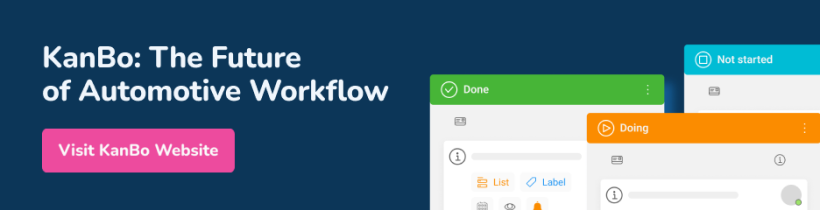
You can also use KanBo’s card-based system to organize these tasks into lists and track their progress. For example, you can create a card for designing new assembly devices, assign it to a designer, and move it through different stages, such as “To Do,” “Doing,” and “Done.”
As you introduce new tools and equipment into the production line, you can use KanBo to track their sustainability and maintain their efficiency. You can define sustainability processes for assembly devices, fixtures, templates, gauges, mobile equipment, electrical, controlled torque, and manual tools that are being used for new operations of the assembly production lines. This guarantees the quality and consistency of products.
Additionally, with KanBo’s continuous improvement tools, you can introduce new technologies to increase the efficiency of production processes, guaranteeing product quality and on-time delivery. For example, you can use KanBo to implement a new data-driven predictive maintenance system that can help detect and prevent equipment failures before they happen.
Finally, KanBo’s communication and coordination features make it easy to keep all stakeholders in the loop throughout the production process. You can coordinate with logistics to keep all production areas updated, define material locations in the production line, and provide control means to handle them better. You can also communicate with OU’s and SU’s customers to ensure a customer experience and successful implementation of projects that contribute to the main KPIs of the plant.
In conclusion, KanBo is the perfect platform for automotive production lines, and other similar manufacturing industries like aerospace, defense, and heavy equipment. Using KanBo, you can streamline processes, improve efficiency, foster collaboration and communication, and ultimately drive innovation. And with its integration with Microsoft Office 365, you can use your existing skills to work more efficiently.