Work coordination platform
Designed for the automotive industry
As a leader in innovation, you understand the importance of staying ahead of the curve in the fast-moving automotive 4.0 world. KanBo provides you with the tools to do just that by facilitating smart factory operations, streamlining project management, fostering collaboration and solving complex problems.
Boost Your Business Efficiency with KanBo: The Ultimate Specialist Management System and Energy Management Platform
As today’s large enterprises face increasingly complex and dynamic business environments, the need for work coordination platforms has never been more crucial. And that’s where KanBo comes in. Developed with a focus on Specialist Management System and Energy Management, this work coordination platform is designed to meet the needs of the automotive industry and beyond.
One of KanBo’s key strengths lies in the flexibility it offers thanks to its on-premises and cloud installations and licensing models. This enables businesses of all sizes and preferences to customize their KanBo experience to suit their unique needs. Additionally, KanBo’s comprehensive feature set ensures that all key aspects of work coordination are covered, from project management and collaboration to process improvement and auditing.
In terms of specific benefits, KanBo offers a streamlined and centralized environment for managing tasks and projects. Its intuitive and user-friendly interface ensures that all team members can easily access and navigate the platform, while real-time updates and notifications keep everyone up-to-date on project progress and changes. KanBo also offers detailed analytics and reporting capabilities that enable businesses to track performance and make data-driven decisions.
Another key benefit of KanBo is its focus on Specialist Management System and Energy Management. This means that users can leverage the platform’s capabilities to ensure compliance with relevant regulations and standards, as well as to identify and implement energy-saving measures to improve sustainability and reduce costs.
To give a brief product tour, when you log into KanBo, you’ll see a personalized dashboard that gives you an overview of all your tasks, projects, and other activities. You can easily create new projects, assign tasks, and collaborate with team members using a variety of communication tools, including comments, tags, and notifications.
In conclusion, KanBo is a work coordination platform that is perfectly suited to the needs of large enterprises in the automotive industry and beyond. Its versatility, comprehensive feature set, and focus on Specialist Management System and Energy Management make it an essential tool for businesses looking to stay ahead in today’s fast-paced and competitive landscape.
Monday:
1. Start your day by checking your KanBo notifications to see if there are any updates or messages that need your attention.
2. Open the Energy Management board to see what tasks need to be completed and assign them to team members if necessary.
3. Review the schedule and make any adjustments to ensure that deadlines are met.
4. Use the Kanban view to visualize the progress of each task and make any necessary updates.
5. Follow up with team members to ensure that everyone is on track and has the resources they need to complete their assigned tasks.
Tuesday:
1. Begin the day by reviewing the progress made on tasks assigned on Monday.
2. Check for any new updates or messages in KanBo notifications.
3. Use the Kanban view to prioritize tasks and adjust assignments as necessary.
4. Use the Gantt chart view to update the project timeline and ensure that deadlines are still feasible.
5. Utilize the Document view to review any relevant documents or reports and make note of any action items that need to be addressed.
Wednesday:
1. Take a few minutes to review your KanBo notifications and make any necessary responses.
2. Use the Activity view to see what tasks have been completed and what tasks are still pending.
3. Use the Timeline view to forecast the completion dates of tasks currently in progress.
4. Assign new tasks to team members and ensure that deadlines are clear.
5. Use the Table view to view and sort task-related data points that provide deeper insights.
Thursday:
1. Review progress made on Wednesday tasks and determine any necessary new tasks.
2. Use KanBo’s Mind Map view to brainstorm new ideas or identify potential roadblocks and create solutions.
3. Utilize the Calendar view to schedule upcoming tasks and remind team members of their assignments.
4. Review any new documents that have been uploaded to KanBo and make a note of any necessary actions needed.
5. Check-in with team members individually to gauge progress and identify any potential roadblocks.
Friday:
1. Use the Dashboards & Reports view to compile a weekly status report for management.
2. Review the project timeline and identify any potential conflicts or delays.
3. Ensure that all tasks have been completed and make any necessary adjustments to assignments or timelines.
4. Conduct a brief team meeting to review the progress made and discuss any lessons learned.
5. Close out the week by thanking the team for their hard work and dedication.
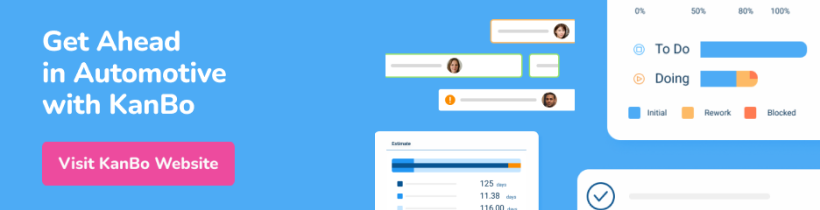
KanBo is much more than just a tool for communication. While it does offer robust communication features, such as comments, @mentions, and notifications, it also provides a comprehensive work coordination platform designed to streamline workflow, increase transparency, and empower collaboration.
One of KanBo’s key strengths is its ability to organize work and information in a structured and intuitive manner. KanBo Workspaces and Spaces provide a centralized location for team members to access and collaborate on the work tasks, projects, and documents that are relevant to them.
KanBo also offers a range of powerful views that give users multiple perspectives on their work. From the Kanban view for visualizing work in progress to the Timeline view for seeing the end-to-end timeline of a project, to the Gantt chart for managing resources and timelines, KanBo has a view for every type of work.
In addition to these features, KanBo offers a comprehensive set of tools for managing work, such as Card Elements, Notes, Checklists, Card Statuses, and Card Templates. Moreover, it allows users to assign people to cards, schedule cards, and create card relations.
Furthermore, KanBo provides powerful analytics and reporting capabilities that enable users to track progress, measure performance, and identify areas for improvement. It also offers resource management tools that enable users to allocate resources effectively, balance workloads, and ensure that everyone is working on the right tasks.
Overall, KanBo is much more than just a communication tool. It is a comprehensive work coordination platform that offers a wide range of features and capabilities designed to streamline workflow, increase transparency, and empower collaboration. It is a tool that is adaptable to any business, providing high energy and productivity to integrated teams.
Q&A
Q1: What licensing models are available for KanBo?
A1: KanBo offers on-premises and cloud installations, as well as different licensing models to customize the platform to meet the unique needs of businesses of all sizes and preferences.
Q2: What specific benefits does KanBo offer for businesses in the automotive industry?
A2: KanBo offers a focus on Specialist Management System and Energy Management to ensure compliance with relevant regulations and standards, as well as identify and implement energy-saving measures to improve sustainability and reduce costs.
Q3: What types of tools are available to help teams collaborate in KanBo?
A3: KanBo offers a variety of communication tools such as comments, tags, and notifications, as well as different views such as Kanban, Gantt chart, and Mind Map to visualize progress, prioritize tasks, and brainstorm new ideas collaboratively.
Use Case: Organizational, Conceptual, and Operational Implementation of Management System in MAN Truck & Bus Germany and the Role of KanBo in Supporting Managers
The implementation and continuous development of a management system, specifically in the automotive industry, requires a team effort. MAN Truck & Bus Germany is a great example of how the coordination of managers and departments can lead to an efficient and effective management system, compliant to various ISO standards. In this use case, we will explore how KanBo supports managers in the organizational, conceptual, and operational implementation of the management system.
Supporting Managers in the Implementation of the Management System
KanBo offers a comprehensive work coordination platform that can support managers in implementing and systematizing their management systems. A customizable dashboard provides an overview of all the projects, tasks, and activities. This enables team members to access and collaborate on relevant tasks, projects, and documents that are specific to their business unit.
Development, Preparation, and Implementation of Training Courses/Information Events on the Management Systems
One of the crucial steps in implementing a management system is to ensure that the employees receive sufficient training. KanBo can support managers in developing, preparing, and implementing training courses or information events on the management systems. The platform is intuitive, user-friendly, and showcases an easy-to-understand interface, making the training of employees simple and approachable.
Organization and Coordination of Internal and External Management System Audits
KanBo can support managers in organizing and coordinating internal and external management system audits based on DIN EN ISO 9001 and DIN EN ISO 50001. This can be optionally extended to DIN EN ISO 14001 and DIN EN ISO 45001. The platform is equipped with reporting and feedback capabilities, which helps teams track and manage their compliance and standards.
Establishment and Maintenance of a Legal Management System
KanBo can also support the establishment and maintenance of a legal management system, ensuring full compliance with the relevant legal, environmental, and occupational safety standards. This feature provides an additional layer of security and assurance that businesses are complying with pertinent laws and regulations.
Energy Consulting and Performance Measurements to Determine the Actual Energy Consumption
An essential aspect of implementing an energy management system is to consult experts and evaluate energy consumption. KanBo allows users to allocate resources effectively, balance workloads, and ensure that all users are working together towards common goals and targets. Managers can use the platform to measure the actual energy consumption and collaborate with the energy consultant to identify and implement energy-saving measures to improve sustainability and reduce costs.
Use of Microsoft Office Skills with KanBo
KanBo is designed with Microsoft Office integration, allowing users to use their current Microsoft Office skills within the platform. In particular, the platform’s email functionality enables users to send emails to KanBo Cards and Boards. Incoming email functionality helps users create a new card by simply sending an email to the board. This improves coordination and streamlines workflow, as this feature allows all communication related to a task to be centralized in one location.
Conclusion
In the automotive industry, implementing a management system requires coordination, teamwork, and effective communication. KanBo provides a comprehensive work coordination platform that supports managers in the organizational, conceptual, and operational implementation of the management system. The use of the platform’s various features, such as customizable dashboards, reporting and feedback capabilities, legal management system, energy consulting, and Microsoft Office integration, enables businesses to streamline workflow effectively, ensure compliance, and improve sustainability.